Why I Built a Trauma-Informed Leadership Framework
Why I Built a Trauma-Informed Leadership Framework
The work I do now began as the thing I lived through
I didn't set out to build a framework.
For a long time, I would have told you I was simply trying to understand what happened to me — and why it took me so long to name it. The framework came later. The language came later. What came first was the quiet, disorienting experience of being inside a system that looked healthy from the outside while something inside me slowly came undone.
I want to tell you why I do this work. Not the polished version — the real one. Because if you've found your way here, there's a decent chance some part of this is familiar to you, too.
I believed the problem was me
For years, I assumed that if something felt wrong, the issue was my own sensitivity. My own inability to keep up, to let things go, to be more grateful, more flexible, more spiritual about it. The environments I was in were full of good, sincere, mission-driven people. There was no obvious villain. No single moment I could point to and say,there — that's the harm.
So I did what so many people do inside systems like that: I adjusted myself. I got quieter. I second-guessed my instincts. I learned to read the room before I knew what I actually thought. And I told myself that the growing exhaustion was just the cost of caring deeply about something.
What I didn't have, back then, was language.
I didn't have words forcoercive control,forinstitutional betrayal,for what it does to a nervous system to live in a place where honesty quietly becomes unsafe. I only had the symptoms — the hypervigilance, the self-doubt, the sense that I was somehow both responsible for everything and powerless over all of it.
When you don't have language for harm, you tend to turn it inward.
The moment something shifted
[Adrienne — this is the place to drop in a concrete moment if you're comfortable: a specific conversation, a realization, the day you finally said it out loud to someone. Even one or two true sentences here will make the whole piece land. I've written a version below you can keep or replace.]
There was a point where I stopped asking,what's wrong with me?and started asking a different question entirely:what is this system actually doing to the people inside it?
That question changed everything.
Because the moment I asked it, I could see that I wasn't uniquely fragile. I was responding, like a human being responds, to an environment that had never been designed with human nervous systems in mind. The structure rewarded performance over honesty. It treated unity as more important than truth. It used good intentions and even sacred language as a way to avoid accountability. And it produced exactly what those conditions always produce: capable, devoted people slowly disconnecting from themselves.
I wasn't broken. I was reacting to something real. And so was everyone else who had quietly burned out, gone numb, or walked away wondering what was wrong with them.
Healing the person isn't enough
If the story ended with my own recovery, I'm not sure I'd be writing this.
But here is the part I can't unsee: I watched safe people remain inside unsafe systems and get hurt anyway. I watched kind leaders preside over cultures that wounded people, not because they were cruel, but because no one had ever taught them to recognize fear, coercion, dysregulation, or relational harm when it was happening right in front of them.
That's when it became clear to me thatsafe people and safe systems are not the same thing.
You can do years of personal healing and still walk back into a structure that re-injures you on contact. You can train individual leaders to be more emotionally intelligent and still leave the underlying system untouched. Individual healing matters enormously — it's where I started, and it's sacred work. But healing one person and releasing them back into a harmful system is like treating someone's lungs and sending them back into the smoke.
The system itself has to change.
Why I built the framework
So I went looking for the thing I needed and couldn't find.
I went back to school for it. I'm doing my doctoral research in trauma-informed leadership because I wanted more than my own story — I wanted to understand what the research actually says about psychological safety, about how organizations re-traumatize people without meaning to, about why policies alone never create safe cultures. I wanted to sit at the intersection of the things I'd always been told to keep separate: leadership and trauma, theology and psychology, systems and human dignity.
The framework I build through Restoration Resources is what came out of that. It's an attempt to give leaders the language I didn't have. To make harm nameable before it becomes normalized as "culture." To help churches and organizations become places where truth-telling is safer, where repair is possible, and where people are treated as human beings rather than as resources to be optimized.
I named the workrestorationon purpose. Not management. Not optimization. Restoration — because something was broken, and because I believe, deeply, that broken things can be made whole. Both people and the systems that shape them.
What I want you to know
I'm not interested in helping leaders build more influential systems. There are plenty of people offering that.
I'm interested in helping them build safe ones.
If you've ever stood inside a place that looked healthy and felt yourself coming apart — if you've ever wondered whether you were the problem — I want you to hear this clearly: your instincts were probably telling you something true. You may simply have lacked the language to name it. That's not a personal failing. That's what these systems are designed to do.
This is what I'll be writing about here. Some of it will be deeply practical — the marks of a psychologically safe organization, what trauma-informed leadership actually requires, how dysfunction moves from families into churches and workplaces. Some of it will be more personal, like this. All of it is in service of one conviction:
We do not rise above the health of our systems. So we had better learn how to build healthy ones.
I'm glad you're here. Let's do this work together.
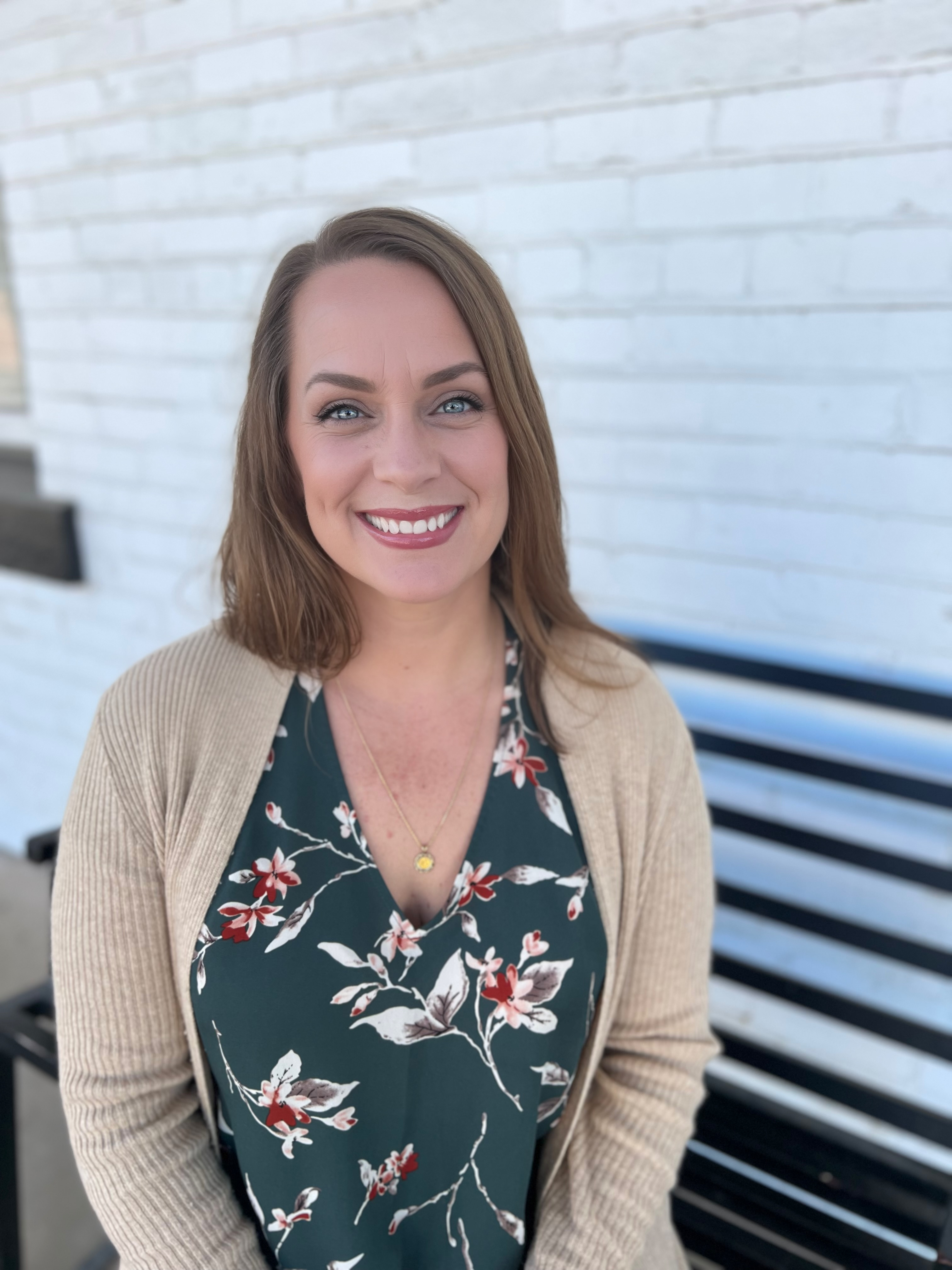
Adrienne Binder is the founder of Restoration Resources and a doctoral researcher in trauma-informed leadership. She writes and teaches on building systems that reflect dignity, restore agency, and move beyond performative care. If this resonated, subscribe — and consider sharing it with someone who needs the language for what they've been carrying.