How to Turn Your Expertise Into an Online Course, Curriculum, or Certification
How to Turn Your Expertise Into an Online Course, Curriculum, or Certification
You already have the knowledge. You may even have years of teaching materials. Here's how to turn what you know into a structured program that can reach people beyond your individual sessions.
I talk with counselors, coaches, pastors, educators, and practitioners who say some version of the same thing:
"I know what I teach works. I just can't figure out how to get it out of my head and into something other people can use."
They have spent years developing their expertise.
They have guided people through difficult transitions, taught life-changing principles, created workshops, delivered sermons, facilitated groups, and refined approaches that consistently help the people they serve.
Their computers are filled with presentations, handouts, documents, and notes.
They have a methodology they could explain in their sleep.
But when they sit down to turn that knowledge into an online course, a workbook, a professional training program, or a certification, everything suddenly becomes overwhelming.
Where do you begin?
How do you organize years of knowledge into a logical sequence?
What belongs in the curriculum, and what should be left out?
How do you translate what you intuitively know into something another person can understand, apply, and eventually teach?
And how do you build a platform that delivers your work without requiring you to personally facilitate every experience?
Here's what I've learned from building my own educational programs and helping others develop theirs:
You don't have a content problem. You have an architecture problem.
And those are two very different things.
Why Expertise Doesn't Automatically Become a Teachable Curriculum
Being exceptionally good at something does not automatically mean you know how to teach it at scale.
A counselor may intuitively recognize patterns in relationships and know exactly which questions help someone find clarity.
A coach may have developed a transformational process through years of working one-on-one with clients.
A pastor may have spent decades teaching principles that shape how people understand faith, identity, and purpose.
An educator may have developed an innovative teaching method that consistently produces meaningful learning experiences.
But much of that wisdom lives in the practitioner.
It exists in the questions they ask, the stories they tell, the decisions they make in the moment, and the connections they have learned to recognize through experience.
In education, we sometimes refer to this astacit knowledge: understanding that is difficult to articulate because it has become almost instinctive.
The challenge is translating that knowledge into a structured learning experience.
A collection of videos is not necessarily a curriculum.
Neither is a beautiful workbook, a slide deck, or an online platform.
A meaningful curriculum must connect what learners need to understand with what they should be able to do, the experiences that help them develop those abilities, and the methods used to evaluate their progress.
The goal is not simply to transfer information. It is to design a pathway for learning and application.
That requires curriculum architecture.
What Is Curriculum Architecture?
Curriculum architecture is the intentional design of a learning program's structure, sequence, outcomes, activities, and supporting materials.
Think of it as the blueprint that turns expertise into a coherent educational experience.
Before a single video is recorded or workbook page is designed, an effective curriculum needs to answer several questions:
Who is this for?What does the learner already know, and what do they need?
What is the intended outcome?What should participants understand or be able to demonstrate when they finish?
What is the learning sequence?Which foundational concepts must come before more advanced ideas?
How will people learn?What combination of teaching, reflection, practice, discussion, and application will best support the objectives?
How will learning be evaluated?What evidence will show that participants have understood and can apply what they learned?
How will the program be delivered?Will it be self-paced, facilitated, cohort-based, licensed to organizations, or offered through multiple formats?
These decisions shape everything that follows.
Without them, course creators often find themselves repeatedly rewriting modules, recording content that never gets used, or building a beautiful website around a program that still lacks a clear educational structure.
A platform cannot solve an architecture problem.
Neither can another expensive course creation tool.
The framework must come first.
Five Steps to Turn Your Expertise Into a Scalable Educational Program
Whether you're developing your first online course or transforming an established methodology into a professional training program, the process should begin with intentional design.
1. Extract the Framework Already Living Inside Your Work
Most experienced practitioners are not starting from nothing.
They already have a framework, even if they have never formally named it.
It may be embedded in the stages they guide clients through, the questions they consistently ask, the concepts they return to, or the sequence they instinctively follow when helping someone navigate a problem.
The first step is identifying those patterns.
What do you consistently teach?
What are the recurring challenges your clients or students face?
What beliefs, skills, or behaviors need to change?
What sequence seems to support meaningful progress?
And what makes your approach different from the countless other resources available on the same topic?
This is where narrative extraction becomes valuable.
Through a structured conversation, we can begin identifying the organizing principles that have emerged from years of lived experience and professional practice.
The objective is not to manufacture a framework for marketing purposes.
It is to articulate the one that already exists and determine whether it can be translated into a repeatable learning experience.
2. Define the Transformation Before Creating the Content
One of the most common mistakes in course development is beginning with everything you want to teach.
You open a blank document and start listing topics.
Soon, you have 18 modules, 47 possible lessons, and a growing sense that the project may never be finished.
A better starting point is the learner's intended outcome.
Who are they when they enter your program?
What do they need to know, understand, or be able to do when they leave?
What observable progress would indicate that the learning experience has been effective?
For example, a counselor developing a psychoeducational course on healthy relationships might identify outcomes related to recognizing unhealthy patterns, practicing boundaries, and developing communication skills.
A ministry leader might want participants to demonstrate a clearer understanding of spiritual formation principles.
An organizational consultant might want leaders to identify harmful workplace practices and implement appropriate response protocols.
Different audiences require different outcomes.
And not every meaningful outcome can be guaranteed, particularly in healing-centered programs.
But defining the intended learning outcomes creates direction.
Curriculum should be built around what learners need to gain, not simply everything an expert knows.
3. Design the Learning Sequence and Supporting Materials
Once the outcomes are clear, the next step is organizing the learning pathway.
This means determining which concepts build on one another, how complex ideas will be introduced, and where participants need opportunities to practice and reflect.
A well-designed program may include:
Modules organized around clear learning objectives.
Short teaching videos or written lessons.
Participant workbooks and reflection exercises.
Practical activities and application assignments.
Facilitator guides for group or organizational delivery.
Assessments, knowledge checks, or demonstrations of competency.
Resource libraries and implementation tools.
The materials should work together rather than simply repeat the same information in different formats.
A workbook, for example, should do more than summarize a video. It should help learners process, practice, or apply the concepts being taught.
Similarly, a facilitator guide should provide enough structure that another qualified person can deliver the learning experience while preserving its essential purpose.
This is how expertise begins moving beyond the original creator.
4. Choose the Right Delivery Model and Platform
Once the curriculum is designed, the next question becomes how people will access it.
An individual practitioner may need a self-paced online course that participants can purchase and complete independently.
A ministry leader may want a small-group curriculum that churches can license and facilitate.
An educator may need a university-ready course with instructor resources, assignments, assessments, and a compatible learning management system.
An organization may need a structured training program with completion tracking, implementation tools, and documented requirements.
Some practitioners may eventually pursue a certification model.
But not every program needs to become a certification. Credentialing requires particular care in defining competencies, completion standards, evaluation procedures, and what the credential actually represents.
The platform should support the educational model rather than dictate it.
This is where curriculum development intersects with brand strategy, website architecture, course delivery systems, enrollment processes, and automation.
Done well, these elements create an integrated learning experience.
Done poorly, they become a collection of disconnected technologies that the creator must constantly manage.
The best platform is not necessarily the most sophisticated. It is the one that reliably supports how your audience needs to learn.
5. Build for Sustainability, Not Just Launch Day
Creating an online course is one project.
Creating an educational program that can be maintained, updated, and potentially expanded is another.
Before launch, consider who will manage enrollment, update content, support learners, track progress, and maintain the technology.
If the program will be facilitated by others, what training and guidance will they need?
If it will be licensed to organizations, what materials, permissions, and implementation standards must be established?
If the goal is long-term growth, how will future offerings connect to the original framework?
These questions matter because the objective should not be to replace the demands of one-on-one work with an equally demanding collection of technical responsibilities.
The goal is to create something sustainable.
Something that extends your reach while preserving the integrity of your work.
And something that allows your ideas to continue serving people even when you are not personally present.
Why I Created The Narrative Studio
I understand this challenge because I have lived it.
I spent seven years in the classroom learning how educational experiences are designed, delivered, evaluated, and refined.
Over time, I began translating that experience into programs of my own.
I developed healing-centered curriculum, participant workbooks, and digital learning experiences.
I created Sanctuary Certified™, a structured training and implementation pathway for church leaders.
I developed the Restorative Systems Framework™, a trauma-informed organizational leadership model now progressing through doctoral research and preparing for its first institutional pilot.
And I helped develop university-level curriculum designed for formal educational environments.
Each project required more than writing compelling content.
It required taking complex ideas and translating them into clear frameworks, intentional learning sequences, meaningful assessments, practical resources, and delivery systems.
I also came to understand how easily this work can become overwhelming when one person is responsible for every stage.
The researcher becomes the writer.
The writer becomes the instructional designer.
The instructional designer becomes the graphic designer.
Then the website builder, platform administrator, marketing strategist, and technical support team.
And somewhere along the way, the wisdom that inspired the project gets buried under the mechanics of building it.
I createdThe Narrative Studioto close that gap.
What The Narrative Studio Does
The Narrative Studio is a done-for-you framework, curriculum, and platform development service within Restoration Resources.
It serves practitioners, counselors, coaches, ministry leaders, educators, and organizations with established expertise they want to turn into structured educational offerings.
The process begins with your story and the knowledge you've developed through your work.
From there, depending on the scope of the engagement, we develop the architecture that makes it teachable and the materials and systems that make it deliverable.
That may include framework extraction and positioning, curriculum mapping, learning objectives, complete lesson sequences, teaching scripts, slide decks, participant workbooks, facilitator materials, branded websites, course portals, enrollment funnels, and launch systems.
We can work through individual development phases or build a more comprehensive platform from beginning to launch.
The work is customized because a counselor developing an educational resource, a university launching a course, and an organization developing a leadership certification do not need identical solutions.
The objective is to preserve what makes your work distinct while creating the structure it needs to reach others.
You stay the voice. We build the house your voice lives in.
Where Every Project Begins: The Story Session
Before we build a curriculum, we need to understand the ideas, experiences, and intended outcomes that make it worth building.
That's why every Narrative Studio engagement begins with a Story Session.
The Story Session is a two-hour narrative extraction and framework-mapping experience designed to bring clarity to the work you want to create.
Rather than asking you to arrive with a polished outline, we begin with what you already know.
We explore your expertise, your audience, the transformation or learning outcomes you want to support, and the patterns that may become the foundation of a teachable framework.
Within 24 hours, you receive a Narrative Framework Document capturing the core direction of your work, along with a recommended next step.
The Story Session is $750.
You are not required to commit to a larger development engagement afterward. The session is designed to give you a tangible starting point, even if you decide to build the remaining pieces independently.
Before scheduling, prospective clients submit an inquiry. If the project appears to be a fit, we begin with a complimentary 20-minute discovery call to discuss the work and determine whether the Story Session is an appropriate next step.
This process allows us to establish clarity before either of us commits to a larger project.
Is The Narrative Studio Right for You?
You may be ready to explore curriculum development if:
You teach the same foundational principles repeatedly in individual sessions, workshops, or groups.
You have years of notes, presentations, recordings, or teaching materials but no cohesive program.
You have a methodology or framework that produces meaningful results but depends entirely on your personal involvement.
You want to develop an online course, workbook, professional training program, or certification pathway.
You've attempted to create a course before but became overwhelmed by the content, structure, or technology.
You want to expand your reach without losing the distinct voice and integrity of your work.
You do not need to arrive with everything figured out.
You need a meaningful body of knowledge, clarity about the people you hope to serve, and a willingness to translate what you've learned into something others can use.
The architecture can be built.
Your Wisdom Deserves a Structure That Can Carry It
There is a particular kind of knowledge that comes only from years of showing up.
From listening carefully.
From recognizing patterns.
From making mistakes, refining your approach, and discovering what genuinely helps people learn and grow.
That wisdom matters.
But when it exists only in your memory, your sessions, or your scattered notes, its reach remains limited by your personal availability.
A thoughtfully designed curriculum offers another possibility.
Your ideas can become a learning experience.
Your methodology can become a framework.
Your teaching can become a resource that others return to, practice, and share.
And your expertise can reach people you may never have the opportunity to meet.
Not because you've packaged your knowledge into more content.
But because you've created a structure capable of carrying it.
You already have the wisdom. Now let's give it somewhere to live.
Ready to Turn Your Expertise Into Something Teachable?
The Narrative Studio helps practitioners, educators, and organizations move from scattered content and hard-won expertise to structured frameworks, curriculum, and launch-ready educational platforms.
Every project begins with an inquiry, followed by a complimentary 20-minute discovery call if the project is a fit. From there, the first development engagement is the $750 Story Session.
Explore The Narrative Studio and Begin Your Inquiry
About the Author
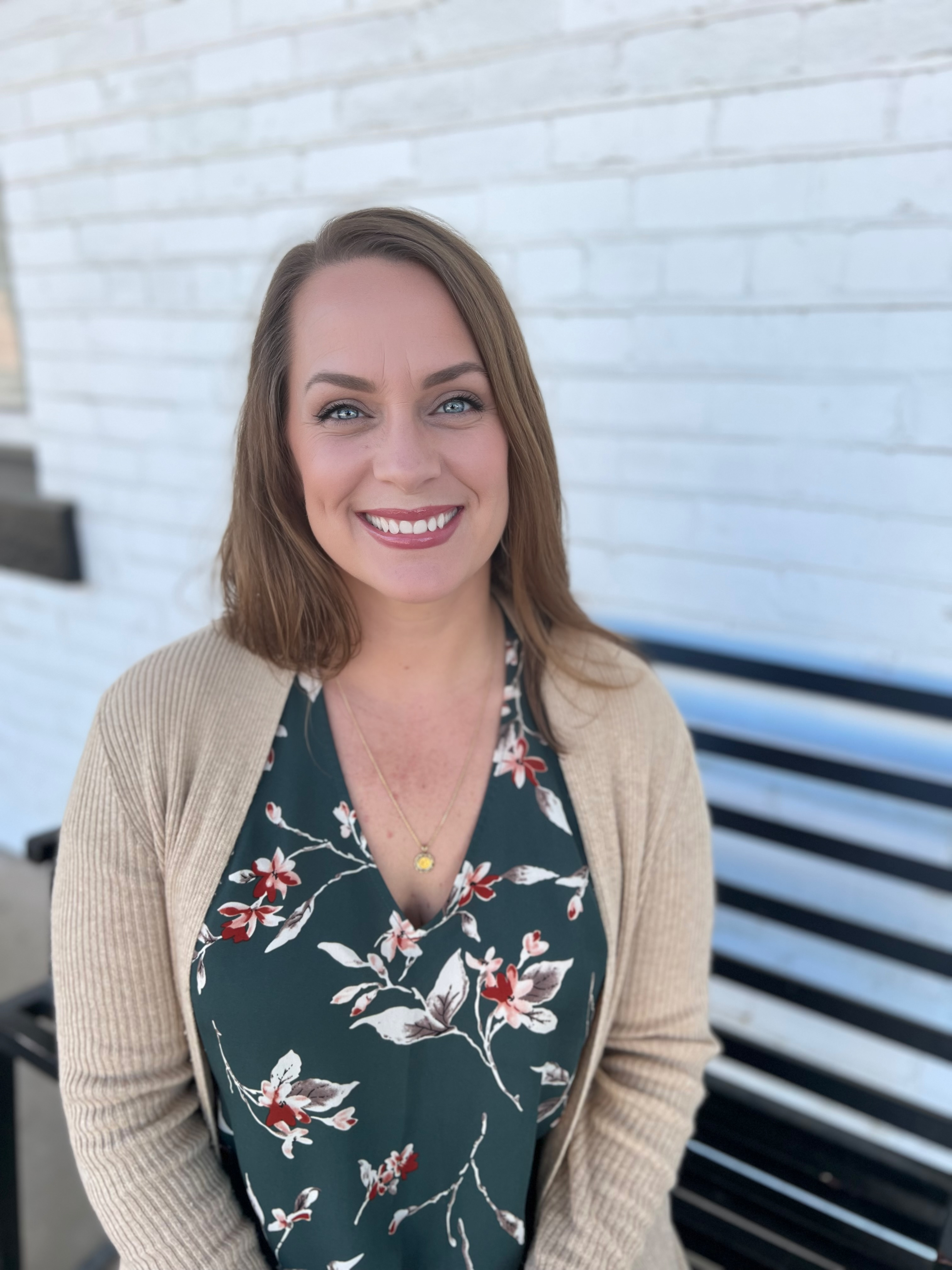
Adrienne Binder is the founder of Restoration Resources and The Narrative Studio, an educator, curriculum architect, and doctoral researcher in Christian Leadership at Liberty University. Her work focuses on translating research, professional expertise, and complex ideas into accessible learning frameworks, curricula, and transformative educational experiences. She has developed healing-centered courses, ministry training systems, trauma-informed leadership frameworks, and university-level curriculum.