What Is Therapeutic Art? (And How It’s Different from Art Therapy)st
What Is Therapeutic Art? (And How It’s Different from Art Therapy)
There’s a question I get asked often:
“Is this art therapy?”
And it makes sense.
Because what we’re doing looks similar on the surface—
people creating, expressing, and processing through art.
But the truth is:
👉 Therapeutic art and art therapy are not the same thing.
And understanding the difference matters.
What Art Therapy Is
Art therapy is a clinical, licensed practice.
It’s facilitated by a trained therapist who is equipped to:
assess mental health needs
diagnose conditions
and guide clients through treatment
It often involves:
specific therapeutic goals
structured interventions
and clinical oversight
Art therapy plays an incredibly important role in the mental health space.
And for many people, it is exactly what they need.
What Therapeutic Art Is
Therapeutic art is different.
It’s not clinical.
It’s not diagnostic.
And it’s not about treatment.
It’s about creating space.
Space to:
slow down
connect with yourself
explore what you’re feeling
and express what doesn’t always have words
It’s guided—but not clinical.
Structured—but not rigid.
Supportive—but not prescriptive.
Where People Get Confused
The confusion usually comes from this:
Both involve art.
Both can feel meaningful.
Both can support healing.
But they serve different roles.
Art therapy is:
👉 clinical care
Therapeutic art is:
👉 experiential support
One is treatment.
The other is space.
Why Therapeutic Art Matters
Not everyone is looking for therapy.
But many people are looking for:
a place to breathe
a way to reconnect
an outlet for what they’re carrying
And they don’t always need:
diagnosis
deep clinical intervention
or a traditional setting
They need a space that feels:
safe
open
and pressure-free
This is where therapeutic art becomes powerful.
What This Looks Like in Practice
In a therapeutic art space, you might:
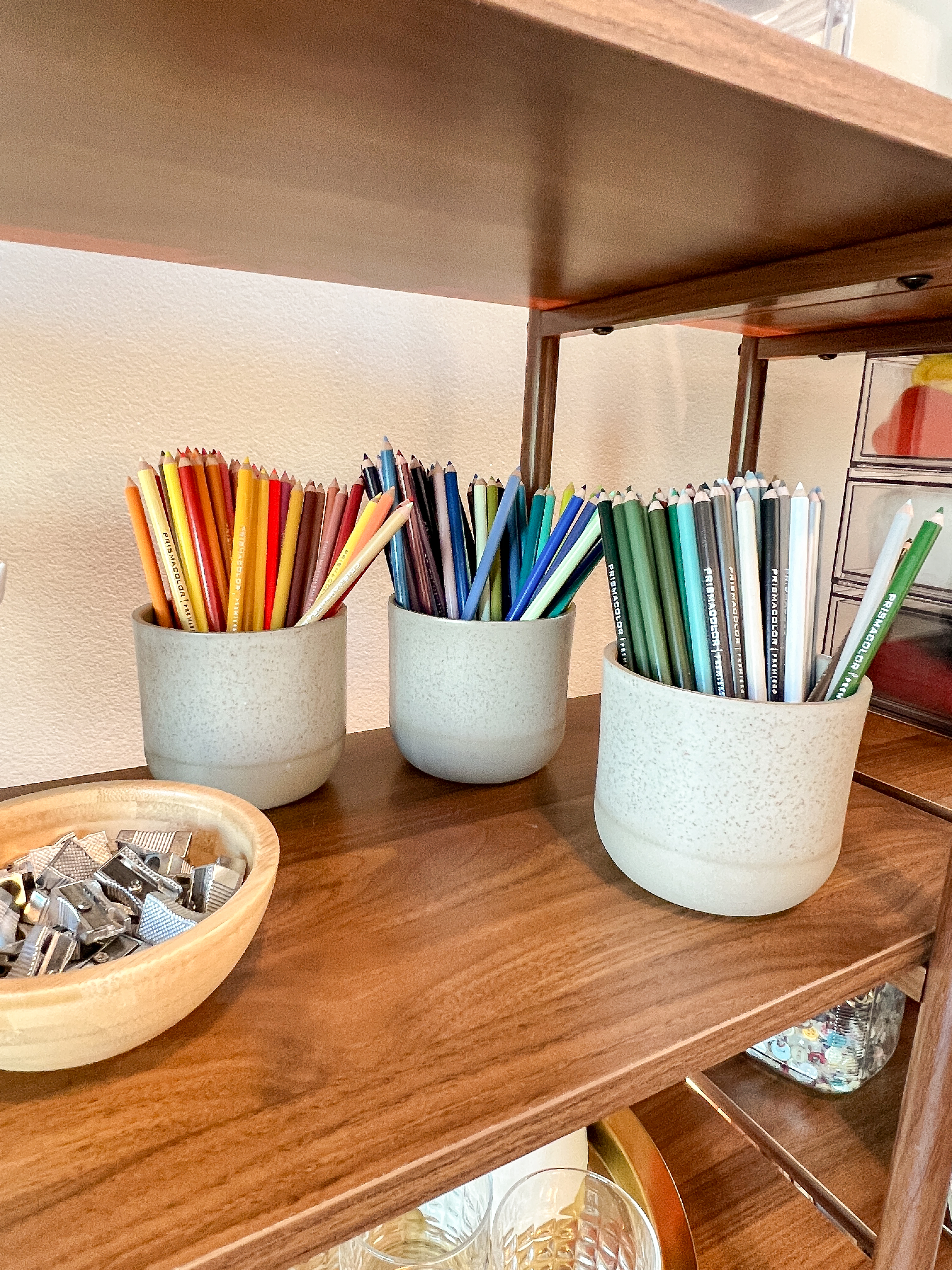
explore different materials and mediums
notice what you’re drawn to
create without a defined outcome
allow something to unfold naturally
There’s no pressure to:
be good
get it right
or produce something meaningful
Because the value isn’t in the outcome.
It’s in the experience.
Why This Approach Is So Effective
When there’s no expectation to perform, something shifts.
You can:
relax your nervous system
engage more honestly
and connect with yourself in a different way
For many people, this is where they begin to:
hear their own voice again
feel grounded
and experience a sense of clarity
Not because they were told what to do—
But because they were given space.
This Is the Heart Behind Restoration Studio
What I’ve created isn’t therapy.
And it’s not meant to replace it.
It’s something different.
A space where people can:
show up as they are
engage creatively
and experience something that supports their healing
Without pressure.
Without performance.
Without needing to have it all figured out.
In Closing
Therapeutic art isn’t about fixing something.
It’s about creating space for something to shift.
And sometimes, that’s exactly where healing begins.
If you’ve been curious about exploring this kind of space—
👉 Come experience it for yourself
👉 Or explore upcoming sessions at the studio
You don’t need experience.
You don’t need to be creative.
You just need a place to start.